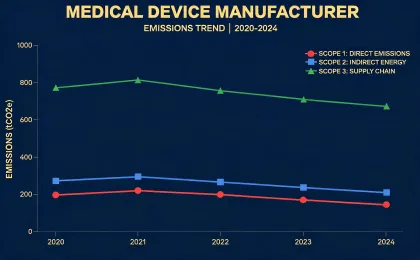
Hill Rom sustainability reporting focuses on long-life patient-room equipment, refurbishment, serviceable parts, packaging reduction, and lower-carbon fleet ownership.
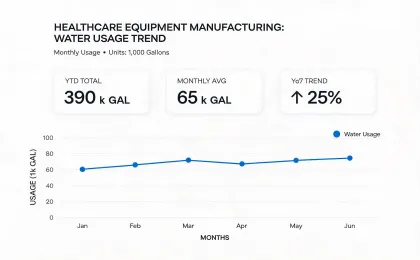
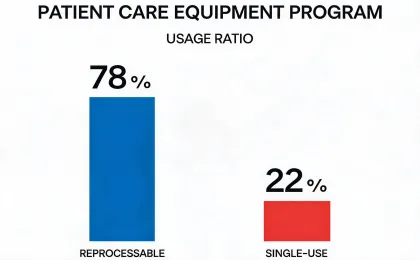
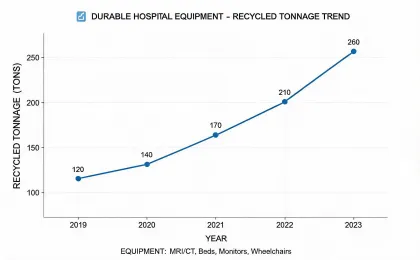
Durable patient-room assets need a different sustainability model than disposable supplies. Hill Rom packages refurbishment rates, parts reuse, take-back tonnage, electricity assumptions, and packaging reductions so procurement and ESG teams can compare lifecycle impact alongside service cost.
Patient-room equipment carries a long service life, and the environmental profile depends on how assets are maintained, repaired, refurbished, redeployed, and eventually retired. A lower-carbon program therefore looks beyond manufacturing emissions. It includes parts availability, field repair rates, packaging choices, energy behavior during operation, responsible take-back, and whether refurbished devices can safely extend useful life in appropriate care settings.
For hospital systems, this data is most valuable when it is tied to procurement and service planning. Hill Rom sustainability packets can connect emissions indicators with fleet age, replacement cycles, PM compliance, and service contract assumptions. ESG teams can then compare the environmental impact of a new purchase, an upgrade, a refurbishment pathway, or a rental model using the same operational baseline that finance and clinical engineering already use.
Environmental evidence is connected to technical documentation for medical device market access reviews.
Imported equipment scenarios are modeled with material origin, refurbishment, and service-life assumptions.
Connected device hardening is reviewed beside power-saving behavior, firmware support windows, and patch policy.
Receive lifecycle assumptions for bed fleets, patient monitoring assets, service parts, and take-back programs.
Get the data